
Written by Olivia Vaughn
November marks the beginning of a season when families gather, share meals, and reconnect. These moments together offer more than just celebration — they also create a unique opportunity to learn about your family’s health history. Understanding your family’s medical background can play an important role in managing your own health, identifying potential risks, and making informed decisions about genetic testing or screening.
While conversations about health can feel sensitive or awkward, they don’t have to be. With a thoughtful approach, holiday gatherings can become a meaningful time to exchange information that benefits everyone.
Why Family Health History Matters
Family health history is one of the most powerful tools in preventive medicine. Patterns of cancer, heart disease, neurological conditions, and other inherited disorders can help healthcare providers assess risk and recommend appropriate screening or genetic testing.
Genetic counselors use family history to identify potential hereditary conditions, guide testing decisions, and support families in understanding their health risks. The more complete and accurate the information, the more personalized and helpful the guidance can be.
How to Start the Conversation
Bringing up health history doesn’t need to feel heavy or intrusive. Here are some gentle ways to begin:
- Use the season as a natural opener. November is National Family Health History Month, which provides an easy, neutral reason to ask questions.
- Share your own experience first. Mention a recent doctor’s visit, a screening recommendation, or your curiosity about ancestry or genetics.
- Frame it as a way to help everyone. Emphasize that understanding family history benefits the whole family, including future generations.
Most relatives appreciate being asked and are willing to share when they understand the purpose.
What Information Is Most Helpful to Collect
You don’t need a complete medical chart — just the basics. Focus on:
- Major diagnoses (cancer, heart disease, diabetes, neurological conditions)
- Age at diagnosis
- Any known genetic conditions
- Causes of death for relatives who have passed
- Patterns that appear across generations
It’s also helpful to note ancestry, as some genetic conditions are more common in certain populations.
Tips for Navigating Sensitive Topics
Health conversations can sometimes bring up emotions, especially when discussing serious illnesses or relatives who have passed away. These strategies can help keep the conversation respectful and comfortable:
- Be patient and nonjudgmental. Some relatives may need time to open up.
- Respect boundaries. If someone doesn’t want to share, thank them and move on.
- Avoid making assumptions. Let family members speak for themselves.
- Keep the focus on support, not fear. The goal is understanding, not worry.
If the conversation becomes emotional, acknowledge the feelings and shift to a lighter topic before returning later, if appropriate.
How to Organize and Share What You Learn
Once you’ve gathered information, consider:
- Writing it down in a simple family tree or chart
- Sharing a summary with relatives who may benefit
- Bringing the information to your healthcare provider
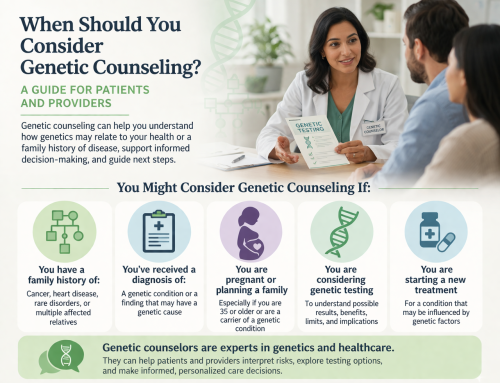
- Scheduling a genetic counseling appointment if patterns suggest a hereditary condition
Genetic counselors can help interpret family history, recommend testing when appropriate, and guide next steps for you and your relatives.
How Genetic Counseling Supports Families
Genetic counseling provides clarity and support when families are navigating questions about inherited conditions. Counselors help:
- Identify which conditions may have a genetic component
- Determine whether genetic testing is appropriate
- Interpret results and explain what they mean for relatives
- Provide resources, referrals, and emotional support
By combining medical expertise with compassionate guidance, genetic counselors help families make informed decisions about their health.
We’re Here to Help
If your holiday conversations raise questions about your family’s health history, our team at Chicago Genetic Consultants is here to support you. Whether you’re gathering information for the first time or seeking guidance about genetic testing, we’re committed to providing clear, personalized, and compassionate care.