Written by Olivia Vaughn
Every April, Parkinson’s Disease Awareness Month shines a spotlight on the causes, symptoms, and daily impact of Parkinson’s disease. In the United States, an estimated one million people are currently living with Parkinson’s, and about 90,000 more receive a diagnosis each year, according to Parkinson’s Foundation.
Parkinson’s disease is a progressive neurological condition that affects movement, balance, and coordination. While treatments have improved over the years and research continues to advance, it remains a lifechanging diagnosis. A diagnosis that affects not only the individual but also their family and support network.
What Is Parkinson’s Disease?
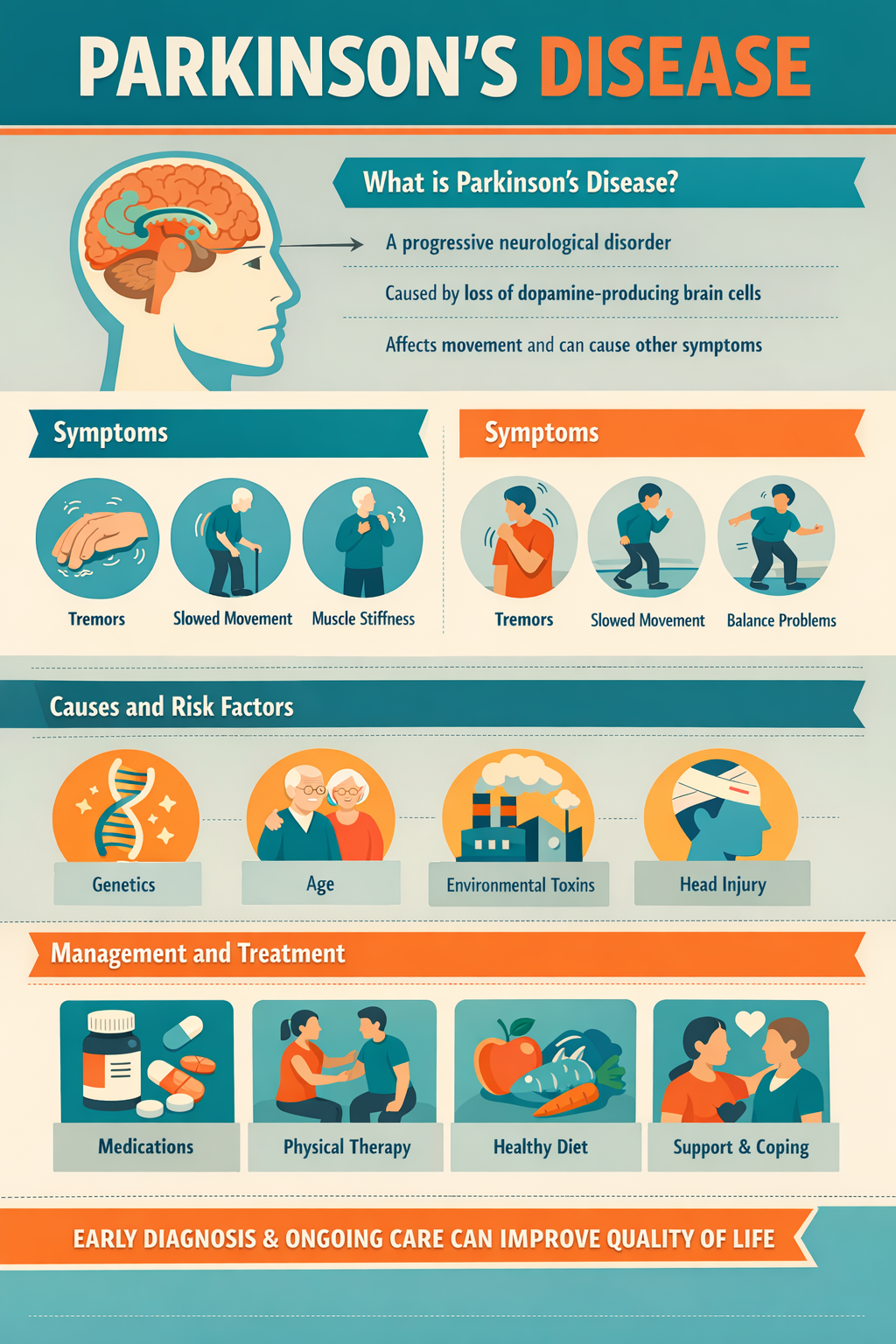
Parkinson’s disease is a neurological condition that develops when dopamine producing nerve cells in a part of the brain called the substantia nigra begin to break down. As these cells deteriorate, people may experience a mix of motor and nonmotor symptoms. The condition looks different for everyone, and symptoms usually appear and progress gradually.
Common symptoms can include:
- Tremors, often starting in one hand
- Slowed movement (bradykinesia)
- Muscle stiffness or rigidity
- Balance problems and a higher risk of falls
- Changes in speech or facial expression
- Sleep issues
- Mood changes such as anxiety or depression
- Cognitive changes, especially in later stages
Although Parkinson’s disease is most often diagnosed after age 60, some people develop what’s known as early-onset Parkinson’s disease before age 50. Diagnosis typically involves a clinical evaluation, neurological exam, and observing how symptoms respond to certain medications. There is currently no cure, but early diagnosis, personalized treatment, and ongoing support can make a meaningful difference in maintaining quality of life.
The Role of Genetics in Parkinson’s Disease
Parkinson’s disease is complex, and its development is influenced by a mix of genetic and environmental factors. Most cases are considered “sporadic,” meaning they occur without a clearly inherited cause. However, about 10–15% of people with Parkinson’s have a family history. Researchers have identified several genes that can increase risk, and understanding these genetic factors can help families make informed decisions about their health.
Genetic counseling can help individuals and families understand:
- Whether the Parkinson’s disease is hereditary in the family
- The chances of other family members developing Parkinson’s
- What genetic testing can and cannot tell them
- How genetic information may guide medical care or participation in research
Genetic counseling offers education, risk assessment, and emotional support as families navigate the uncertainties that often come with a Parkinson’s diagnosis.
Understanding the Connection Between Genes and Parkinson’s Disease
Researchers have identified several genes that may play a role in Parkinson’s disease. Some genes increase a person’s risk, while others are directly linked to inherited forms of the condition. Genetic testing can help determine whether a known genetic variant may be contributing to symptoms.
Common genes associated with Parkinson’s disease include:
- LRRK2 – One of the most common genetic contributors to Parkinson’s disease. Certain variants can raise the risk of developing the condition, especially in specific populations.
- GBA – Variants in this gene, also linked to Gaucher disease, are associated with a higher risk of Parkinson’s and may influence how symptoms progress.
- SNCA – Rare changes in this gene, which affects the production of alpha-synuclein, can cause familial Parkinson’s disease.
- PARK2 (PRKN), PINK1, and DJ1 – These genes are more often connected to earlyonset Parkinson’s, typically diagnosed before age 50.
It’s important to remember that having a genetic variant does not mean someone will develop Parkinson’s disease. Genetic counseling helps individuals understand what their test results mean and the limitations of testing.
Why Genetic Counseling Matters in Parkinson’s Disease
Genetic counseling can offer clarity and reassurance during a time that often feels confusing or overwhelming. For someone diagnosed with Parkinson’s disease, it can help answer questions about why the condition may have developed and what it could mean for other family members. For relatives, genetic counseling provides guidance on personal risk and whether genetic testing might be helpful.
- Genetic counselors also support families by helping them:
- Understand the emotional and psychological impact of a Parkinson’s diagnosis
- Connect with specialists, support groups, and community resources
- Connect with research opportunities, including clinical trials and genetic studies
- Make informed decisions about testing, family planning, and longt erm care
As research continues to uncover new genetic insights, genetic counseling remains a key part of comprehensive, whole person care.
Raising Awareness Matters
Parkinson’s Awareness Month is about more than learning the medical facts, it is about recognizing and supporting the people who live with Parkinson’s every day. Many of the challenges those with Parkinson’s disease face are not always visible. Awareness aids in reducing stigma, encouraging earlier diagnosis, and strengthens community understanding.
Awareness fuels progress. When Parkinson’s is more widely recognized, it leads to increased research funding, better access to care, and stronger resources for patients and caregivers. By bringing attention to the realities of Parkinson’s disease, we move closer to more effective treatments, and better outcomes for everyone affected.
Our team at Chicago Genetic Consultants welcomes any questions about Parkinson’s disease and genetic testing. Please reach out if you or a loved one would like to learn more.