
Written by Olivia Vaughn
October is Breast Cancer Awareness Month, a time dedicated to education, early detection, and support for individuals and families affected by breast cancer. While most breast cancers occur by chance, about 5–10% are caused by inherited genetic variants passed down through families. Understanding hereditary risk can empower individuals to take proactive steps toward screening, prevention, and informed decision-making.
Genetic counseling plays a vital role in helping people understand their personal and family history, determine whether genetic testing is appropriate, and navigate results with clarity and confidence.
What Is Hereditary Breast Cancer?
Hereditary breast cancer occurs when a person inherits a pathogenic variant in a gene that increases the risk of developing breast cancer. The most wellknown genes are BRCA1 and BRCA2, but many others are also associated with increased risk, including:
- PALB2
- CHEK2
- ATM
- TP53
- PTEN
- CDH1
These genes help repair DNA or regulate cell growth. When they don’t function properly, cancer can develop earlier in life or occur more frequently within families.
Red Flags for Hereditary Breast Cancer
Certain patterns in a family’s medical history may suggest an inherited cancer risk. These include:
- Breast cancer diagnosed before age 50
Early-onset breast cancer is one of the strongest indicators of hereditary risk.
- Triple negative breast cancer diagnosed before age 60
This subtype is more commonly associated with BRCA1 variants.
- Multiple relatives with breast, ovarian, pancreatic, or prostate cancer
Clusters of these cancers on the same side of the family can signal a shared genetic cause.
- Male breast cancer
Although rare, male breast cancer is strongly associated with BRCA2.
- A known genetic variant in the family
If a relative has tested positive for a hereditary cancer gene, other family members may also be at risk.
- Ashkenazi Jewish ancestry
Individuals of Ashkenazi Jewish descent have a higher likelihood of carrying specific BRCA1 and BRCA2 variants.
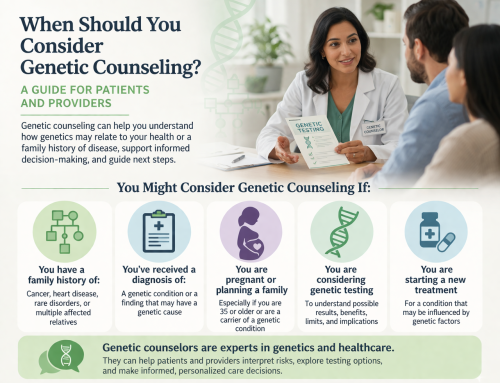
If any of these red flags sound familiar, genetic counseling may be helpful.
What Genetic Testing Can Tell You
Genetic testing can provide valuable information about cancer risk and guide personalized medical care. Testing can help determine:
- Whether you carry a hereditary cancer gene
- Your lifetime risk of breast and other cancers
- Whether enhanced screening is recommended
- Whether preventive options may reduce risk
- Whether family members should consider testing
Testing is most meaningful when paired with genetic counseling, which helps individuals understand the benefits, limitations, and implications of results.
How Genetic Counselors Support Patients
Genetic counselors play a key role in helping individuals navigate hereditary cancer risk. They provide:
- A detailed review of personal and family history
- Guidance on whether genetic testing is appropriate
- Support in choosing the right test
- Clear explanations of results
- Recommendations for screening and prevention
- Help communicating results to relatives
Their goal is to ensure patients feel informed, supported, and empowered.
Screening and Prevention for Individuals With Hereditary Risk
For those with hereditary breast cancer syndromes, early detection and prevention can significantly improve outcomes. Depending on the gene involved, recommendations may include:
- Earlier and more frequent breast imaging (mammograms, breast MRI)
- Risk-reducing medications
- Preventive surgeries, such as mastectomy (removal of the breasts) or oophorectomy (removal of the ovaries)
- Screening for related cancers, such as ovarian or pancreatic cancer
Genetic counselors work closely with patients and their healthcare teams to develop personalized plans.
Why Awareness Matters
Breast Cancer Awareness Month is more than a reminder to schedule a mammogram — it’s an opportunity to understand your family history, recognize hereditary risk, and access the support you need to make informed decisions. Early detection saves lives, and genetic counseling can be a powerful tool in identifying those at increased risk.
We’re Here to Support You
If you have questions about hereditary breast cancer, genetic testing, or your family history, our team at Chicago Genetic Consultants is here to help. Whether you’re seeking clarity about your own risk or looking for guidance for your family, we’re committed to providing compassionate, evidence-based care.