
Written by Olivia Vaughn
Hereditary Cancer Awareness Week, observed during the last full week of September, is dedicated to increasing understanding of inherited cancer risk and empowering individuals to take proactive steps toward early detection and prevention. While most cancers occur by chance, about 5–10% are caused by inherited genetic variants passed down through families. Recognizing the signs of hereditary cancer can help individuals and families access the right screening, testing, and support.
Genetic counseling plays a key role in identifying these risks and guiding patients through the process of genetic testing and personalized care.
What Makes a Cancer “Hereditary”?
Hereditary cancers are caused by pathogenic variants in genes that normally protect the body from developing cancer. When these genes don’t function properly, cancer can develop earlier in life, occur more frequently, or appear in multiple organs.
Common hereditary cancer syndromes include:
- Hereditary Breast and Ovarian Cancer (HBOC) involving BRCA1 and BRCA2
- Lynch syndrome, associated with colorectal, uterine, and other cancers
- Hereditary diffuse gastric cancer causing both gastric and lobular breast cancer
- Li-Fraumeni syndrome causes many different cancer types as well as childhood cancer
- Familial adenomatous polyposis (FAP) is a syndrome that causes hundreds to thousands of precancerous colon polypd
Identifying these conditions early can be lifesaving.
Red Flags in Your Family History
Certain patterns in a family’s cancer history may suggest a hereditary cancer syndrome. These red flags include:
- Cancer at a Young Age
Cancers diagnosed earlier than expected, such as breast cancer before age 50 or colon cancer before age 55 may indicate a hereditary cause.
- Multiple Relatives with the Same Cancer
Clusters of the same cancer on one side of the family (for example, several relatives with breast, prostate or colon cancer) can be a sign of inherited risk.
- Multiple Cancers in One Person
Individuals who develop more than one primary cancer such as breast and ovarian cancer, or colon and uterine cancer may have an inherited predisposition.
- Rare or Unusual Cancers
Certain cancers are uncommon in the general population but more common in hereditary syndromes, such as:
- Male breast cancer
- Ovarian cancer
- Medullary thyroid cancer
- Sarcomas in young adults
These diagnoses warrant further evaluation.
- Known Genetic Variant in the Family
If a relative has tested positive for a hereditary cancer gene, other family members may also be at risk and should consider testing.
- Ashkenazi Jewish Ancestry
Individuals of Ashkenazi Jewish descent have a higher likelihood of carrying specific BRCA1 and BRCA2 variants associated with hereditary breast and ovarian cancer.
Why Genetic Testing Matters
Genetic testing can provide clarity about cancer risk and guide personalized medical care. For individuals with hereditary cancer syndromes, testing can help:
- Identify appropriate cancer screening
- Guide decisions about preventive surgeries or medications
- Inform treatment options for those already diagnosed
- Provide valuable information for relatives
Genetic testing is most powerful when paired with genetic counseling, which helps individuals understand their results and next steps.
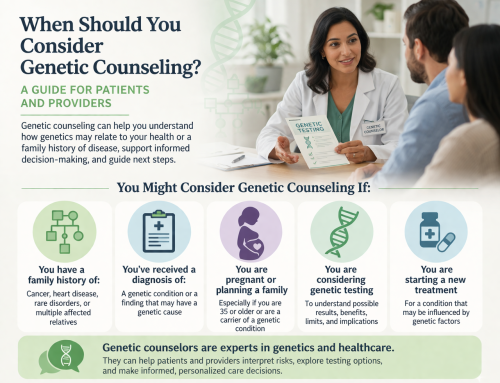
What to Expect from Genetic Counseling
During a genetic counseling appointment, you can expect to:
- Review your personal and family medical history
- Discuss whether genetic testing is appropriate
- Learn about the benefits and limitations of testing
- Explore how results may affect your health and your family
- Receive support in making informed decisions
If testing is recommended, we will guide you through the process and help interpret the results.
How Early Detection Saves Lives
For individuals with hereditary cancer syndromes, early detection can dramatically improve outcomes. Enhanced screening such as earlier mammograms, colonoscopies, or MRI imaging can help identify cancer at its earliest, most treatable stages. In some cases, preventive measures can significantly reduce cancer risk.
Hereditary Cancer Awareness Week is a reminder that knowledge is power. Understanding your family history and knowing when to seek genetic counseling can make a meaningful difference in your health and the health of your loved ones.
We’re Here to Support You
If you recognize any of these red flags in your family history or if you’re simply unsure our team at Chicago Genetic Consultants is here to help.